Posted in

17 Powerful Best Ways to Support Local Businesses

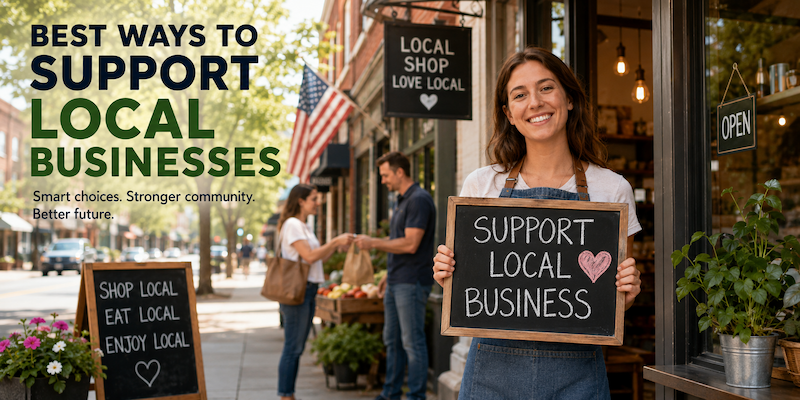
Best ways to support local businesses in your community

Finding the best ways to support local businesses does not require a large budget or a major lifestyle change. Small actions can help independent shops, service providers, restaurants, makers, and family-run companies stay open and grow.

You can buy from them, recommend them, leave a helpful review, follow their social pages, or simply tell a friend about a good experience.

These actions matter because local businesses often depend on repeat customers and word-of-mouth marketing. They may not have the advertising budgets, buying power, or large teams that national companies have.

According to the U.S. Small Business Administration, the United States had 36.2 million small businesses in 2025. These businesses accounted for almost 46% of private-sector employment.

Supporting local companies is not only about being kind to a business owner. It can help protect jobs, improve local services, create stronger shopping areas, and keep more choices available in your community.

Quick Answer

The best ways to support local businesses include buying directly from them, leaving honest reviews, recommending them to others, engaging with their social posts, purchasing gift cards, attending local events, and choosing local service providers.

Table of Contents

Key Takeaways

  • Spend part of your regular shopping budget locally.
  • Buy directly from a business when possible.
  • Leave detailed and honest online reviews.
  • Recommend good businesses to friends and family.
  • Follow, comment on, and share their social content.
  • Use local professionals for services and business needs.
  • Support local companies throughout the year, not only during holidays.
  • Be patient when a small team faces delays or limited stock.
  • Give useful feedback instead of posting an angry public comment first.
  • Build long-term relationships with businesses you trust.

Definition

Supporting local businesses means choosing, promoting, recommending, or helping independently owned companies that serve a specific town, city, neighborhood, or region.

Why Is Supporting Local Business Important?

Local businesses often provide products and services that reflect the needs of the people around them.

A neighborhood bakery may prepare food based on local tastes. A family-run repair shop may know its customers by name. An independent bookstore may stock books from nearby writers. A local marketing agency may understand the culture and buying habits of companies in its city.

These businesses also create employment.

The SBA has reported that small businesses have historically generated about two out of every three net new jobs.

Local companies can also make shopping areas more useful and attractive. A street filled with active stores, cafés, offices, and service providers usually feels more welcoming than a street with many empty units.

Many local business owners also support schools, sports teams, charities, events, and community groups. A U.S. Chamber of Commerce survey found that most small businesses actively give back to their communities in some form.

This creates a useful cycle:

  1. Residents support local companies.
  2. Local companies earn more stable revenue.
  3. Businesses hire workers and buy supplies.
  4. Owners contribute to community events and causes.
  5. The local area becomes stronger and more active.

Local Business Support Compared With Large-Chain Shopping

Both local businesses and large companies can serve useful purposes. Supporting local does not mean that every purchase must come from an independent seller.

The goal is to make thoughtful choices when a suitable local option is available.

FactorLocal BusinessLarge Chain
OwnershipUsually independent or family-ownedOften owned by a large corporation
Customer serviceOften personal and flexibleUsually based on standard policies
Product selectionMay include unique or local itemsOften has a larger standard range
PricingCan be higher on some productsMay benefit from bulk purchasing
Community knowledgeUsually strongMay vary by location
Decision-makingOften fast and directMay require approval from head office
Local partnershipsCommonDepends on company policy
Shopping experiencePersonal and distinctiveConsistent across locations

Best Practice

Do not choose a local business only because it is local. Look for fair prices, good service, responsible practices, and products that meet your needs.

1. Buy From Local Businesses Regularly

The most direct way to help a local company is to become a paying customer.

A business cannot survive on likes, compliments, or good wishes alone. It needs steady sales.

You do not need to move your full shopping budget to local stores. Start with one or two types of purchases.

For example, you could:

  • Buy bread from a local bakery once a week.
  • Use an independent coffee shop for work meetings.
  • Purchase birthday gifts from a neighborhood store.
  • Hire a local cleaner or repair service.
  • Order flowers from a nearby florist.
  • Buy office supplies from a local seller.
  • Use a local restaurant for one family meal each month.

These small purchases become more valuable when they happen regularly.

A single $15 order may not change a business. Twenty repeat customers who spend $15 every month can provide useful and predictable income.

This is one of the best ways to support local businesses because it directly improves their cash flow.

2. Buy Directly From the Business

Many small companies sell through delivery apps, large marketplaces, booking sites, and third-party platforms.

These services can help customers discover a business. However, they may charge listing fees, booking fees, delivery commissions, or payment costs.

When it is simple and safe, buy through the business website, physical location, official phone number, or direct order system.

For example:

  • Book a hotel through its official website.
  • Order food directly from a restaurant.
  • Purchase artwork from the maker’s online shop.
  • Call a local repair company instead of using a lead marketplace.
  • Buy tickets from an event organizer’s website.

Before ordering, check whether the direct option offers the same price, delivery terms, and customer protection.

Direct buying is especially helpful for businesses with narrow profit margins.

3. Leave an Honest Online Review

A useful review can help a small business earn trust.

Potential customers often check Google, Facebook, Yelp, TripAdvisor, industry directories, and other review platforms before making a choice.

A review works best when it is clear and specific.

Instead of writing:

Great place.

Write:

The team repaired my laptop on the same day, explained the cost before starting, and returned it in good condition. The staff were polite and easy to contact.

A strong review can mention:

  • What you purchased
  • The quality of the service
  • How the team treated you
  • Whether the order arrived on time
  • What made the business different
  • Who may benefit from the service

Do not leave a five-star review for a company you have never used. False reviews can mislead customers and damage trust.

One SCORE article notes that many satisfied customers are willing to post reviews, but businesses often fail to ask them.

Leaving genuine feedback is one of the easiest best ways to support local businesses without spending more money.

4. Recommend the Business to Other People

A personal recommendation can be more persuasive than an advertisement.

When a friend asks for a plumber, graphic designer, restaurant, bakery, tutor, gym, or accountant, suggest a local business that gave you a good experience.

Be specific about why you recommend it.

For example:

I used Green Street Plumbing last month. They arrived on time, explained the problem clearly, and charged the price they quoted.

You can recommend a business through:

  • WhatsApp groups
  • Community Facebook groups
  • Workplace chats
  • Neighborhood forums
  • Email
  • Face-to-face conversations
  • Local online directories
  • Professional networks

Do not post the same promotional message in many unrelated groups. That can look like spam.

Share recommendations when they are useful and relevant.

5. Engage With Local Businesses on Social Media

Social media support does not always require a purchase.

Following a business, liking its posts, saving useful content, writing a comment, or sharing an offer can help more people discover it.

Social platforms often use engagement signals to decide which posts appear in users’ feeds. A real comment may provide more value than a simple like because it starts a conversation.

Useful comments include:

  • “I bought this last week and loved it.”
  • “Do you offer delivery in the downtown area?”
  • “The new menu looks great.”
  • “I recommend the chicken sandwich.”
  • “Are weekend appointments available?”

Avoid posting empty comments on every update. Genuine interaction is more helpful.

You can also tag a local business when you use its product, visit its shop, or attend its event.

This provides social proof and gives the company content it may be able to reshare.

6. Purchase Gift Cards

Gift cards give businesses revenue before the product or service is used.

They can be useful when:

  • You need a quick birthday gift.
  • You are unsure what someone wants.
  • A business is facing a slow season.
  • You want to introduce a friend to a local shop.
  • You plan to use the service later.

Choose businesses with clear gift-card terms.

Check:

  • The expiration policy
  • Where the card can be used
  • Whether it applies online and in-store
  • Whether it covers discounted items
  • What happens if the business changes ownership

Gift cards are helpful, but they should not replace regular purchases. Businesses still need customers to return and build long-term habits.

7. Choose Local Service Providers

People often think of local support as buying from shops and restaurants. Service companies also need community support.

You may find local providers for:

  • Accounting
  • Legal services
  • Web design
  • Digital marketing
  • Cleaning
  • Photography
  • Catering
  • Tutoring
  • Home repair
  • IT support
  • Fitness training
  • Beauty services
  • Printing
  • Delivery
  • Event planning

Businesses can also support other businesses.

A restaurant may hire a local photographer. A retailer may work with a nearby marketing consultant. A technology company may use a regional accountant.

This creates business-to-business activity within the area.

Companies exploring better operations can also learn how automation improves daily work through this guide to RPA and business automation.

8. Attend Local Markets and Events

Farmers’ markets, craft fairs, food festivals, business exhibitions, and community events allow small companies to reach many people in one place.

Attend even when you do not plan to spend a large amount.

You can support vendors by:

  • Buying one item
  • Asking questions
  • Taking a business card
  • Following the seller online
  • Sharing a photo
  • Recommending the event
  • Signing up for a mailing list
  • Returning for a future purchase

Events also help you discover businesses that do not have permanent retail locations.

A home baker, artist, designer, candle maker, or food producer may depend on weekend markets to build a customer base.

9. Join Local Loyalty Programs

Repeat customers are valuable because a business does not need to win their attention from the beginning each time.

If a local business offers a loyalty program, consider joining it.

Programs may offer:

  • Points
  • Discounts
  • Free items
  • Birthday rewards
  • Early product access
  • Member events
  • Referral credits
  • Digital stamp cards

Do not join only for discounts. Use the program when the business already offers a product you value.

Business owners can improve loyalty with simple digital tools. For example, QR codes can connect customers to menus, rewards, review pages, offers, or contact forms. This article on the top dynamic QR code generators explains how editable QR codes can support these campaigns.

10. Subscribe to Email and SMS Updates

A business mailing list helps owners reach customers without depending fully on social media algorithms.

Subscribe when you truly want updates.

You may receive:

  • New product announcements
  • Event invitations
  • Seasonal offers
  • Booking reminders
  • Changes in opening hours
  • Restock alerts
  • Educational tips
  • Loyalty rewards

Open useful emails and click links that interest you. This helps the business understand which content customers value.

Do not mark a legitimate email as spam simply because you no longer want it. Use the unsubscribe link instead.

Spam complaints can affect the sender’s ability to reach other customers.

11. Be Patient With Small Teams

A small business may have only a few workers.

The person answering messages may also be handling orders, managing stock, updating the website, speaking with suppliers, and solving customer problems.

This does not excuse poor service. However, reasonable patience can help when a delay is small and the business communicates honestly.

Before posting a public complaint:

  1. Contact the business directly.
  2. Explain the issue clearly.
  3. Include your order number or visit date.
  4. State the solution you want.
  5. Allow a fair amount of time for a reply.
  6. Keep records of the conversation.

If the business ignores you, acts dishonestly, or refuses to correct a serious problem, an honest public review may be appropriate.

Supporting local businesses should never mean accepting unsafe products, unfair treatment, or fraud.

12. Give Useful Private Feedback

Good businesses want to improve, but they may not know what customers find confusing.

You can provide private feedback about:

  • Slow checkout
  • Unclear pricing
  • Missing information
  • Difficult booking forms
  • Packaging problems
  • Website errors
  • Accessibility issues
  • Staff communication
  • Product quality
  • Delivery delays

Use a calm and respectful tone.

Instead of saying:

Your website is terrible.

Say:

I tried to book an appointment on my phone, but the final payment button did not appear. I thought you may want to know.

Specific feedback gives the owner something they can investigate.

Companies working to improve their online experience may also benefit from reviewing professional technology solutions.

13. Share Photos and User-Generated Content

Photos from real customers can help local businesses look active and trusted.

You might post:

  • A meal from a local restaurant
  • A product in your home
  • A haircut or beauty service
  • An item from a craft market
  • A photo from a local event
  • A completed home project
  • A gift purchased from a nearby store

Tag the business and include a short comment about your experience.

Ask permission before photographing employees, private areas, children, or other customers.

Also avoid showing personal details such as receipts, phone numbers, addresses, access codes, or payment information.

User-generated content works best when it feels natural rather than staged.

14. Avoid Asking for Unreasonable Discounts

Small businesses often receive requests for free products, large discounts, or unpaid work.

A customer may say the business will gain “exposure,” but exposure does not pay rent, wages, software costs, suppliers, taxes, or utilities.

It is fair to ask whether a current offer is available. It is less fair to pressure an owner to reduce a reasonable price simply because the company is small.

If the price is outside your budget, you can:

  • Choose a smaller package
  • Wait for a sale
  • Ask about payment plans
  • Buy less
  • Compare other providers
  • Save for the purchase

Respecting fair pricing is one of the best ways to support local businesses and the people who work in them.

15. Collaborate With Local Businesses

Business owners can support each other through partnerships.

Possible collaborations include:

  • Joint events
  • Referral partnerships
  • Product bundles
  • Shared workshops
  • Cross-promotions
  • Local gift guides
  • Social media takeovers
  • Newsletter mentions
  • Pop-up shops
  • Community competitions

For example, a local gym could partner with a healthy meal company. A photographer could work with an event planner. A bakery could offer products at an independent coffee shop.

SCORE recommends joint events, shared content, contests, and promotional exchanges as practical ways for small businesses to support one another.

The partnership should give clear value to both businesses and their customers.

16. Support Businesses During Quiet Seasons

Many companies have busy and slow periods.

A florist may be busy around Valentine’s Day. A restaurant near a business district may slow down during holidays. A tourism company may depend on a specific season.

Ask local owners when business is usually quiet.

Then consider moving a flexible purchase to that period.

You could:

  • Book a weekday appointment.
  • Visit a restaurant outside peak hours.
  • Schedule maintenance during a slow month.
  • Buy holiday gifts earlier.
  • Arrange a team event during the off-season.
  • Purchase a service package before demand increases.

This helps businesses manage cash flow and staff schedules.

17. Make Local Support a Long-Term Habit

Campaigns such as Small Business Saturday help bring attention to independent companies. However, local businesses need customers throughout the year.

The SBA describes Small Business Saturday as a way to recognize and support small business contributions to communities.

The strongest support comes from habits.

Create a simple local spending plan:

  1. List ten things you buy regularly.
  2. Mark the items available from local sellers.
  3. Choose two purchases to move locally.
  4. Test the business for quality and value.
  5. Return when the experience is good.
  6. Recommend the company to one person.
  7. Review your local spending every three months.

You do not need to make every purchase local.

A balanced goal may be easier to maintain. For example, you could direct 10% or 20% of your flexible monthly spending toward independent businesses.

The exact amount matters less than consistency.

Real Example: How One Customer Can Create Wider Support

Imagine that Maya visits an independent bakery near her office.

She buys a $12 lunch and enjoys the food. Instead of leaving quietly, she takes several simple actions.

First, she tells the owner that she liked the meal.

Next, she leaves a Google review explaining what she ordered and why she liked it.

She follows the bakery on Instagram and shares a photo of the lunch.

A coworker sees the post and visits the bakery the next day. That coworker later orders a birthday cake.

Maya also recommends the bakery when her office needs catering for a small meeting. The company places a $180 order.

One $12 purchase helped create:

  • An online review
  • Social media exposure
  • A new customer
  • A cake order
  • A catering order
  • A possible long-term business relationship

This example shows why customer support is not limited to the value of one transaction.

A satisfied customer can become a trusted source of discovery.

Best Ways to Support Local Businesses Without Spending Money

Not every form of support requires a purchase.

You can help by:

  • Leaving a review for a past purchase
  • Sharing a business post
  • Recommending a company
  • Answering a question in a community group
  • Signing up for an email list
  • Giving private feedback
  • Tagging the business in a photo
  • Attending a free event
  • Voting for the company in a local award
  • Reporting incorrect map information
  • Saving the business contact details
  • Introducing two business owners who may work together

These actions can increase visibility, trust, and future sales.

Best Ways to Support Local Businesses Online

Online support is especially important for businesses that sell services, take bookings, or ship products.

Use these steps:

  1. Search for the company by name.
  2. Visit its official website.
  3. Confirm its contact and location details.
  4. Follow its active social pages.
  5. Join its mailing list.
  6. Save useful products or services.
  7. Share relevant pages with others.
  8. Review the company after a real purchase.
  9. Buy directly when the terms are suitable.
  10. Report fake accounts pretending to represent the business.

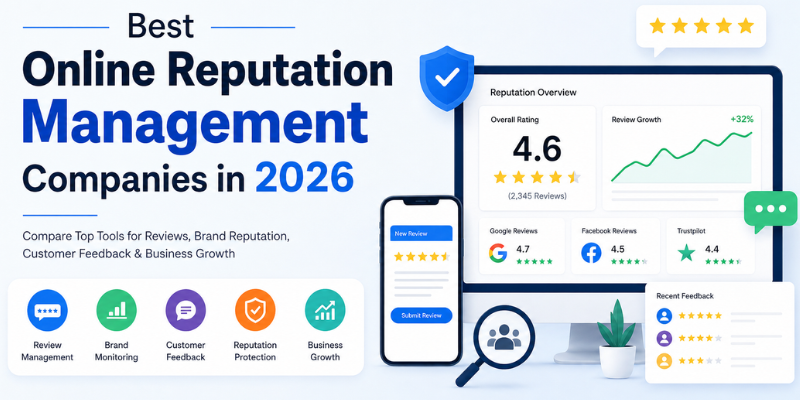
Businesses also need a strong online reputation. This guide to online reputation management companies explains how brands track reviews, search results, and public feedback.

Common Mistakes to Avoid

Supporting a Business You Have Not Checked

Local ownership does not automatically mean good quality.

Read policies, compare prices, check reviews, and ask questions before buying.

Posting a Fake Positive Review

Reviews should come from real experience.

Fake reviews can reduce trust and may break platform rules.

Expecting Special Treatment

Do not expect free items, late returns, or large discounts because you know the owner.

Ignoring Poor Conduct

You can support small businesses while still expecting honest pricing, safe products, respectful service, and fair policies.

Sharing Without Context

Posting only a business name gives people little reason to care.

Explain what the company offers and why you recommend it.

Supporting Only During Holiday Campaigns

Seasonal campaigns are useful, but steady year-round support provides greater stability.

How Businesses Can Make Local Support Easier

Customers are more likely to support a company when buying is simple.

Local businesses should make sure they have:

  • Correct opening hours
  • Clear pricing
  • Easy payment options
  • A mobile-friendly website
  • Accurate map listings
  • Fast contact methods
  • Simple booking or ordering
  • Clear return policies
  • Updated product information
  • Accessible entrances where possible
  • Professional responses to reviews
  • Consistent business names and phone numbers

Owners can also explore the best SaaS tools for startups to improve scheduling, communication, marketing, accounting, and customer service.

Best Practice

Make it easy for customers to support you. Clear prices, correct information, polite service, and simple ordering often matter more than a large advertising campaign.

A Simple Seven-Day Local Support Plan

Day 1: Find Five Businesses

Search maps, directories, social media, or neighborhood groups.

Day 2: Follow Them Online

Follow only businesses that provide products or services you may use.

Day 3: Leave One Review

Choose a business you have already visited.

Day 4: Make One Local Purchase

Buy something already included in your normal budget.

Day 5: Recommend One Business

Share it with a person who may genuinely need it.

Day 6: Attend or Share an Event

Visit a market or share an upcoming community activity.

Day 7: Plan a Repeat Purchase

Choose one local business you can use every week or month.

This plan turns a general idea into clear action.

Frequently Asked Questions

What are the best ways to support local businesses?

Buy directly, leave honest reviews, recommend good companies, share their content, attend local events, purchase gift cards, and become a repeat customer.

Why should people shop at local businesses?

Local businesses create jobs, offer personal service, add variety to communities, support local causes, and provide products designed around nearby customer needs.

Does shopping locally always cost more?

No. Some local products cost more, while others are competitively priced. Compare quality, service, convenience, lifespan, delivery, and total value before deciding.

Can I support a local business without buying anything?

Yes. You can leave a review, share a post, recommend the company, provide useful feedback, join its mailing list, or attend an event.

How do online reviews help small businesses?

Reviews build trust, improve visibility, answer customer questions, and give potential buyers real information about product quality, service, price, and reliability.

Is buying from a franchise considered supporting local business?

A franchise may be locally owned and employ local workers, but part of its revenue and decision-making may remain connected to a larger company.

How can companies support other local businesses?

Companies can hire local suppliers, create referral partnerships, co-host events, share promotions, order local catering, use nearby professionals, and purchase employee gifts locally.

Should I pay more just to shop locally?

Not always. Choose products that fit your budget and needs. Consider quality, service, convenience, durability, ethics, and community value alongside the price.

How often should I support local businesses?

Regular support is more helpful than one yearly purchase. Start with one weekly or monthly habit that fits naturally within your existing budget.

What should I do after a poor local business experience?

Contact the business privately, explain the issue, provide evidence, and request a fair solution. Post an honest review if the problem remains unresolved.

Conclusion

The best ways to support local businesses are simple, practical, and available to almost everyone.

Buy directly when possible. Leave honest reviews. Recommend companies that serve you well. Share useful posts. Attend markets. Respect fair prices. Use local professionals. Give businesses a chance to fix problems.

You do not need to stop using national companies or move every purchase to a small seller.

Start with one repeat habit.

A regular coffee, monthly meal, local service appointment, useful review, or personal recommendation can make a meaningful difference over time.

For additional guidance on the role of small companies in employment and economic growth, visit the U.S. Small Business Administration, an official resource for small-business information and support.

When residents, customers, and companies make thoughtful local choices, independent businesses gain a better chance to survive, improve, hire, innovate, and continue serving their communities.

Finding the best ways to support local businesses does not require a large budget or a major lifestyle change. Small actions can help independent shops, service providers, restaurants, makers, and family-run companies stay open and grow.

You can buy from them, recommend them, leave a helpful review, follow their social pages, or simply tell a friend about a good experience.

These actions matter because local businesses often depend on repeat customers and word-of-mouth marketing. They may not have the advertising budgets, buying power, or large teams that national companies have.

According to the U.S. Small Business Administration, the United States had 36.2 million small businesses in 2025. These businesses accounted for almost 46% of private-sector employment.

Supporting local companies is not only about being kind to a business owner. It can help protect jobs, improve local services, create stronger shopping areas, and keep more choices available in your community.

Quick Answer

The best ways to support local businesses include buying directly from them, leaving honest reviews, recommending them to others, engaging with their social posts, purchasing gift cards, attending local events, and choosing local service providers.

Key Takeaways

  • Spend part of your regular shopping budget locally.
  • Buy directly from a business when possible.
  • Leave detailed and honest online reviews.
  • Recommend good businesses to friends and family.
  • Follow, comment on, and share their social content.
  • Use local professionals for services and business needs.
  • Support local companies throughout the year, not only during holidays.
  • Be patient when a small team faces delays or limited stock.
  • Give useful feedback instead of posting an angry public comment first.
  • Build long-term relationships with businesses you trust.

Definition

Supporting local businesses means choosing, promoting, recommending, or helping independently owned companies that serve a specific town, city, neighborhood, or region.

Why Is Supporting Local Business Important?

Local businesses often provide products and services that reflect the needs of the people around them.

A neighborhood bakery may prepare food based on local tastes. A family-run repair shop may know its customers by name. An independent bookstore may stock books from nearby writers. A local marketing agency may understand the culture and buying habits of companies in its city.

These businesses also create employment.

The SBA has reported that small businesses have historically generated about two out of every three net new jobs.

Local companies can also make shopping areas more useful and attractive. A street filled with active stores, cafés, offices, and service providers usually feels more welcoming than a street with many empty units.

Many local business owners also support schools, sports teams, charities, events, and community groups. A U.S. Chamber of Commerce survey found that most small businesses actively give back to their communities in some form.

This creates a useful cycle:

  1. Residents support local companies.
  2. Local companies earn more stable revenue.
  3. Businesses hire workers and buy supplies.
  4. Owners contribute to community events and causes.
  5. The local area becomes stronger and more active.

Local Business Support Compared With Large-Chain Shopping

Both local businesses and large companies can serve useful purposes. Supporting local does not mean that every purchase must come from an independent seller.

The goal is to make thoughtful choices when a suitable local option is available.

FactorLocal BusinessLarge Chain
OwnershipUsually independent or family-ownedOften owned by a large corporation
Customer serviceOften personal and flexibleUsually based on standard policies
Product selectionMay include unique or local itemsOften has a larger standard range
PricingCan be higher on some productsMay benefit from bulk purchasing
Community knowledgeUsually strongMay vary by location
Decision-makingOften fast and directMay require approval from head office
Local partnershipsCommonDepends on company policy
Shopping experiencePersonal and distinctiveConsistent across locations

Best Practice

Do not choose a local business only because it is local. Look for fair prices, good service, responsible practices, and products that meet your needs.

1. Buy From Local Businesses Regularly

The most direct way to help a local company is to become a paying customer.

A business cannot survive on likes, compliments, or good wishes alone. It needs steady sales.

You do not need to move your full shopping budget to local stores. Start with one or two types of purchases.

For example, you could:

  • Buy bread from a local bakery once a week.
  • Use an independent coffee shop for work meetings.
  • Purchase birthday gifts from a neighborhood store.
  • Hire a local cleaner or repair service.
  • Order flowers from a nearby florist.
  • Buy office supplies from a local seller.
  • Use a local restaurant for one family meal each month.

These small purchases become more valuable when they happen regularly.

A single $15 order may not change a business. Twenty repeat customers who spend $15 every month can provide useful and predictable income.

This is one of the best ways to support local businesses because it directly improves their cash flow.

2. Buy Directly From the Business

Many small companies sell through delivery apps, large marketplaces, booking sites, and third-party platforms.

These services can help customers discover a business. However, they may charge listing fees, booking fees, delivery commissions, or payment costs.

When it is simple and safe, buy through the business website, physical location, official phone number, or direct order system.

For example:

  • Book a hotel through its official website.
  • Order food directly from a restaurant.
  • Purchase artwork from the maker’s online shop.
  • Call a local repair company instead of using a lead marketplace.
  • Buy tickets from an event organizer’s website.

Before ordering, check whether the direct option offers the same price, delivery terms, and customer protection.

Direct buying is especially helpful for businesses with narrow profit margins.

3. Leave an Honest Online Review

A useful review can help a small business earn trust.

Potential customers often check Google, Facebook, Yelp, TripAdvisor, industry directories, and other review platforms before making a choice.

A review works best when it is clear and specific.

Instead of writing:

Great place.

Write:

The team repaired my laptop on the same day, explained the cost before starting, and returned it in good condition. The staff were polite and easy to contact.

A strong review can mention:

  • What you purchased
  • The quality of the service
  • How the team treated you
  • Whether the order arrived on time
  • What made the business different
  • Who may benefit from the service

Do not leave a five-star review for a company you have never used. False reviews can mislead customers and damage trust.

One SCORE article notes that many satisfied customers are willing to post reviews, but businesses often fail to ask them.

Leaving genuine feedback is one of the easiest best ways to support local businesses without spending more money.

4. Recommend the Business to Other People

A personal recommendation can be more persuasive than an advertisement.

When a friend asks for a plumber, graphic designer, restaurant, bakery, tutor, gym, or accountant, suggest a local business that gave you a good experience.

Be specific about why you recommend it.

For example:

I used Green Street Plumbing last month. They arrived on time, explained the problem clearly, and charged the price they quoted.

You can recommend a business through:

  • WhatsApp groups
  • Community Facebook groups
  • Workplace chats
  • Neighborhood forums
  • Email
  • Face-to-face conversations
  • Local online directories
  • Professional networks

Do not post the same promotional message in many unrelated groups. That can look like spam.

Share recommendations when they are useful and relevant.

5. Engage With Local Businesses on Social Media

Social media support does not always require a purchase.

Following a business, liking its posts, saving useful content, writing a comment, or sharing an offer can help more people discover it.

Social platforms often use engagement signals to decide which posts appear in users’ feeds. A real comment may provide more value than a simple like because it starts a conversation.

Useful comments include:

  • “I bought this last week and loved it.”
  • “Do you offer delivery in the downtown area?”
  • “The new menu looks great.”
  • “I recommend the chicken sandwich.”
  • “Are weekend appointments available?”

Avoid posting empty comments on every update. Genuine interaction is more helpful.

You can also tag a local business when you use its product, visit its shop, or attend its event.

This provides social proof and gives the company content it may be able to reshare.

6. Purchase Gift Cards

Gift cards give businesses revenue before the product or service is used.

They can be useful when:

  • You need a quick birthday gift.
  • You are unsure what someone wants.
  • A business is facing a slow season.
  • You want to introduce a friend to a local shop.
  • You plan to use the service later.

Choose businesses with clear gift-card terms.

Check:

  • The expiration policy
  • Where the card can be used
  • Whether it applies online and in-store
  • Whether it covers discounted items
  • What happens if the business changes ownership

Gift cards are helpful, but they should not replace regular purchases. Businesses still need customers to return and build long-term habits.

7. Choose Local Service Providers

People often think of local support as buying from shops and restaurants. Service companies also need community support.

You may find local providers for:

  • Accounting
  • Legal services
  • Web design
  • Digital marketing
  • Cleaning
  • Photography
  • Catering
  • Tutoring
  • Home repair
  • IT support
  • Fitness training
  • Beauty services
  • Printing
  • Delivery
  • Event planning

Businesses can also support other businesses.

A restaurant may hire a local photographer. A retailer may work with a nearby marketing consultant. A technology company may use a regional accountant.

This creates business-to-business activity within the area.

Companies exploring better operations can also learn how automation improves daily work through this guide to RPA and business automation.

8. Attend Local Markets and Events

Farmers’ markets, craft fairs, food festivals, business exhibitions, and community events allow small companies to reach many people in one place.

Attend even when you do not plan to spend a large amount.

You can support vendors by:

  • Buying one item
  • Asking questions
  • Taking a business card
  • Following the seller online
  • Sharing a photo
  • Recommending the event
  • Signing up for a mailing list
  • Returning for a future purchase

Events also help you discover businesses that do not have permanent retail locations.

A home baker, artist, designer, candle maker, or food producer may depend on weekend markets to build a customer base.

9. Join Local Loyalty Programs

Repeat customers are valuable because a business does not need to win their attention from the beginning each time.

If a local business offers a loyalty program, consider joining it.

Programs may offer:

  • Points
  • Discounts
  • Free items
  • Birthday rewards
  • Early product access
  • Member events
  • Referral credits
  • Digital stamp cards

Do not join only for discounts. Use the program when the business already offers a product you value.

Business owners can improve loyalty with simple digital tools. For example, QR codes can connect customers to menus, rewards, review pages, offers, or contact forms. This article on the top dynamic QR code generators explains how editable QR codes can support these campaigns.

10. Subscribe to Email and SMS Updates

A business mailing list helps owners reach customers without depending fully on social media algorithms.

Subscribe when you truly want updates.

You may receive:

  • New product announcements
  • Event invitations
  • Seasonal offers
  • Booking reminders
  • Changes in opening hours
  • Restock alerts
  • Educational tips
  • Loyalty rewards

Open useful emails and click links that interest you. This helps the business understand which content customers value.

Do not mark a legitimate email as spam simply because you no longer want it. Use the unsubscribe link instead.

Spam complaints can affect the sender’s ability to reach other customers.

11. Be Patient With Small Teams

A small business may have only a few workers.

The person answering messages may also be handling orders, managing stock, updating the website, speaking with suppliers, and solving customer problems.

This does not excuse poor service. However, reasonable patience can help when a delay is small and the business communicates honestly.

Before posting a public complaint:

  1. Contact the business directly.
  2. Explain the issue clearly.
  3. Include your order number or visit date.
  4. State the solution you want.
  5. Allow a fair amount of time for a reply.
  6. Keep records of the conversation.

If the business ignores you, acts dishonestly, or refuses to correct a serious problem, an honest public review may be appropriate.

Supporting local businesses should never mean accepting unsafe products, unfair treatment, or fraud.

12. Give Useful Private Feedback

Good businesses want to improve, but they may not know what customers find confusing.

You can provide private feedback about:

  • Slow checkout
  • Unclear pricing
  • Missing information
  • Difficult booking forms
  • Packaging problems
  • Website errors
  • Accessibility issues
  • Staff communication
  • Product quality
  • Delivery delays

Use a calm and respectful tone.

Instead of saying:

Your website is terrible.

Say:

I tried to book an appointment on my phone, but the final payment button did not appear. I thought you may want to know.

Specific feedback gives the owner something they can investigate.

Companies working to improve their online experience may also benefit from reviewing professional technology solutions.

13. Share Photos and User-Generated Content

Photos from real customers can help local businesses look active and trusted.

You might post:

  • A meal from a local restaurant
  • A product in your home
  • A haircut or beauty service
  • An item from a craft market
  • A photo from a local event
  • A completed home project
  • A gift purchased from a nearby store

Tag the business and include a short comment about your experience.

Ask permission before photographing employees, private areas, children, or other customers.

Also avoid showing personal details such as receipts, phone numbers, addresses, access codes, or payment information.

User-generated content works best when it feels natural rather than staged.

14. Avoid Asking for Unreasonable Discounts

Small businesses often receive requests for free products, large discounts, or unpaid work.

A customer may say the business will gain “exposure,” but exposure does not pay rent, wages, software costs, suppliers, taxes, or utilities.

It is fair to ask whether a current offer is available. It is less fair to pressure an owner to reduce a reasonable price simply because the company is small.

If the price is outside your budget, you can:

  • Choose a smaller package
  • Wait for a sale
  • Ask about payment plans
  • Buy less
  • Compare other providers
  • Save for the purchase

Respecting fair pricing is one of the best ways to support local businesses and the people who work in them.

15. Collaborate With Local Businesses

Business owners can support each other through partnerships.

Possible collaborations include:

  • Joint events
  • Referral partnerships
  • Product bundles
  • Shared workshops
  • Cross-promotions
  • Local gift guides
  • Social media takeovers
  • Newsletter mentions
  • Pop-up shops
  • Community competitions

For example, a local gym could partner with a healthy meal company. A photographer could work with an event planner. A bakery could offer products at an independent coffee shop.

SCORE recommends joint events, shared content, contests, and promotional exchanges as practical ways for small businesses to support one another.

The partnership should give clear value to both businesses and their customers.

16. Support Businesses During Quiet Seasons

Many companies have busy and slow periods.

A florist may be busy around Valentine’s Day. A restaurant near a business district may slow down during holidays. A tourism company may depend on a specific season.

Ask local owners when business is usually quiet.

Then consider moving a flexible purchase to that period.

You could:

  • Book a weekday appointment.
  • Visit a restaurant outside peak hours.
  • Schedule maintenance during a slow month.
  • Buy holiday gifts earlier.
  • Arrange a team event during the off-season.
  • Purchase a service package before demand increases.

This helps businesses manage cash flow and staff schedules.

17. Make Local Support a Long-Term Habit

Campaigns such as Small Business Saturday help bring attention to independent companies. However, local businesses need customers throughout the year.

The SBA describes Small Business Saturday as a way to recognize and support small business contributions to communities.

The strongest support comes from habits.

Create a simple local spending plan:

  1. List ten things you buy regularly.
  2. Mark the items available from local sellers.
  3. Choose two purchases to move locally.
  4. Test the business for quality and value.
  5. Return when the experience is good.
  6. Recommend the company to one person.
  7. Review your local spending every three months.

You do not need to make every purchase local.

A balanced goal may be easier to maintain. For example, you could direct 10% or 20% of your flexible monthly spending toward independent businesses.

The exact amount matters less than consistency.

Real Example: How One Customer Can Create Wider Support

Imagine that Maya visits an independent bakery near her office.

She buys a $12 lunch and enjoys the food. Instead of leaving quietly, she takes several simple actions.

First, she tells the owner that she liked the meal.

Next, she leaves a Google review explaining what she ordered and why she liked it.

She follows the bakery on Instagram and shares a photo of the lunch.

A coworker sees the post and visits the bakery the next day. That coworker later orders a birthday cake.

Maya also recommends the bakery when her office needs catering for a small meeting. The company places a $180 order.

One $12 purchase helped create:

  • An online review
  • Social media exposure
  • A new customer
  • A cake order
  • A catering order
  • A possible long-term business relationship

This example shows why customer support is not limited to the value of one transaction.

A satisfied customer can become a trusted source of discovery.

Best Ways to Support Local Businesses Without Spending Money

Not every form of support requires a purchase.

You can help by:

  • Leaving a review for a past purchase
  • Sharing a business post
  • Recommending a company
  • Answering a question in a community group
  • Signing up for an email list
  • Giving private feedback
  • Tagging the business in a photo
  • Attending a free event
  • Voting for the company in a local award
  • Reporting incorrect map information
  • Saving the business contact details
  • Introducing two business owners who may work together

These actions can increase visibility, trust, and future sales.

Best Ways to Support Local Businesses Online

Online support is especially important for businesses that sell services, take bookings, or ship products.

Use these steps:

  1. Search for the company by name.
  2. Visit its official website.
  3. Confirm its contact and location details.
  4. Follow its active social pages.
  5. Join its mailing list.
  6. Save useful products or services.
  7. Share relevant pages with others.
  8. Review the company after a real purchase.
  9. Buy directly when the terms are suitable.
  10. Report fake accounts pretending to represent the business.

Businesses also need a strong online reputation. This guide to online reputation management companies explains how brands track reviews, search results, and public feedback.

Common Mistakes to Avoid

Supporting a Business You Have Not Checked

Local ownership does not automatically mean good quality.

Read policies, compare prices, check reviews, and ask questions before buying.

Posting a Fake Positive Review

Reviews should come from real experience.

Fake reviews can reduce trust and may break platform rules.

Expecting Special Treatment

Do not expect free items, late returns, or large discounts because you know the owner.

Ignoring Poor Conduct

You can support small businesses while still expecting honest pricing, safe products, respectful service, and fair policies.

Sharing Without Context

Posting only a business name gives people little reason to care.

Explain what the company offers and why you recommend it.

Supporting Only During Holiday Campaigns

Seasonal campaigns are useful, but steady year-round support provides greater stability.

How Businesses Can Make Local Support Easier

Customers are more likely to support a company when buying is simple.

Local businesses should make sure they have:

  • Correct opening hours
  • Clear pricing
  • Easy payment options
  • A mobile-friendly website
  • Accurate map listings
  • Fast contact methods
  • Simple booking or ordering
  • Clear return policies
  • Updated product information
  • Accessible entrances where possible
  • Professional responses to reviews
  • Consistent business names and phone numbers

Owners can also explore the best SaaS tools for startups to improve scheduling, communication, marketing, accounting, and customer service.

Best Practice

Make it easy for customers to support you. Clear prices, correct information, polite service, and simple ordering often matter more than a large advertising campaign.

A Simple Seven-Day Local Support Plan

Day 1: Find Five Businesses

Search maps, directories, social media, or neighborhood groups.

Day 2: Follow Them Online

Follow only businesses that provide products or services you may use.

Day 3: Leave One Review

Choose a business you have already visited.

Day 4: Make One Local Purchase

Buy something already included in your normal budget.

Day 5: Recommend One Business

Share it with a person who may genuinely need it.

Day 6: Attend or Share an Event

Visit a market or share an upcoming community activity.

Day 7: Plan a Repeat Purchase

Choose one local business you can use every week or month.

This plan turns a general idea into clear action.

Frequently Asked Questions

What are the best ways to support local businesses?

Buy directly, leave honest reviews, recommend good companies, share their content, attend local events, purchase gift cards, and become a repeat customer.

Why should people shop at local businesses?

Local businesses create jobs, offer personal service, add variety to communities, support local causes, and provide products designed around nearby customer needs.

Does shopping locally always cost more?

No. Some local products cost more, while others are competitively priced. Compare quality, service, convenience, lifespan, delivery, and total value before deciding.

Can I support a local business without buying anything?

Yes. You can leave a review, share a post, recommend the company, provide useful feedback, join its mailing list, or attend an event.

How do online reviews help small businesses?

Reviews build trust, improve visibility, answer customer questions, and give potential buyers real information about product quality, service, price, and reliability.

Is buying from a franchise considered supporting local business?

A franchise may be locally owned and employ local workers, but part of its revenue and decision-making may remain connected to a larger company.

How can companies support other local businesses?

Companies can hire local suppliers, create referral partnerships, co-host events, share promotions, order local catering, use nearby professionals, and purchase employee gifts locally.

Should I pay more just to shop locally?

Not always. Choose products that fit your budget and needs. Consider quality, service, convenience, durability, ethics, and community value alongside the price.

How often should I support local businesses?

Regular support is more helpful than one yearly purchase. Start with one weekly or monthly habit that fits naturally within your existing budget.

What should I do after a poor local business experience?

Contact the business privately, explain the issue, provide evidence, and request a fair solution. Post an honest review if the problem remains unresolved.

Conclusion

The best ways to support local businesses are simple, practical, and available to almost everyone.

Buy directly when possible. Leave honest reviews. Recommend companies that serve you well. Share useful posts. Attend markets. Respect fair prices. Use local professionals. Give businesses a chance to fix problems.

You do not need to stop using national companies or move every purchase to a small seller.

Start with one repeat habit.

A regular coffee, monthly meal, local service appointment, useful review, or personal recommendation can make a meaningful difference over time.

For additional guidance on the role of small companies in employment and economic growth, visit the U.S. Small Business Administration, an official resource for small-business information and support.

When residents, customers, and companies make thoughtful local choices, independent businesses gain a better chance to survive, improve, hire, innovate, and continue serving their communities.

AT Hub Technology Editorial Team publishes practical technology guides, industry insights, career resources, and digital innovation updates for readers who want clear, useful, and business-focused tech content. Our coverage includes technology careers, applied computer technologies, gaming technology, environmental control systems, fleet management tools, AI trends, software, and emerging digital solutions.

Leave a Reply

Your email address will not be published. Required fields are marked *